
Effects of Excessive Reverb on Audio Quality
I. Introduction

A. Definition of reverb.
Reverb, short for reverberation, is the persistence of sound in a particular space after the original sound has stopped. It happens when sound waves reflect off surfaces in an environment. These reflections create a series of sounds that blend together over time.
B. Importance of reverb in audio production.
In audio production, reverb plays a crucial role in shaping the listening experience. It helps to create a sense of space and environment within a recording, making it sound more natural and immersive. Proper use of reverb can enhance the overall quality of audio. It provides a professional touch to music and sound design.
C. Overview of excessive reverb.
While reverb can add depth and character to a sound, excessive reverb can be detrimental. It can overwhelm other elements in a mix, making it difficult for listeners to discern individual sounds. Understanding the balance between appropriate and excessive reverb is vital for achieving clarity and cohesion in audio production.
II. Characteristics of Reverb
A. Types of reverb (natural vs. artificial).
Reverb can be classified into two main types: natural and artificial. Natural reverb occurs in real spaces. These include concert halls or rooms. Artificial reverb is created using digital effects processors or plugins. Each type has its own characteristics and application in audio production.
B. Factors influencing reverb (decay time, diffusion, early reflections).
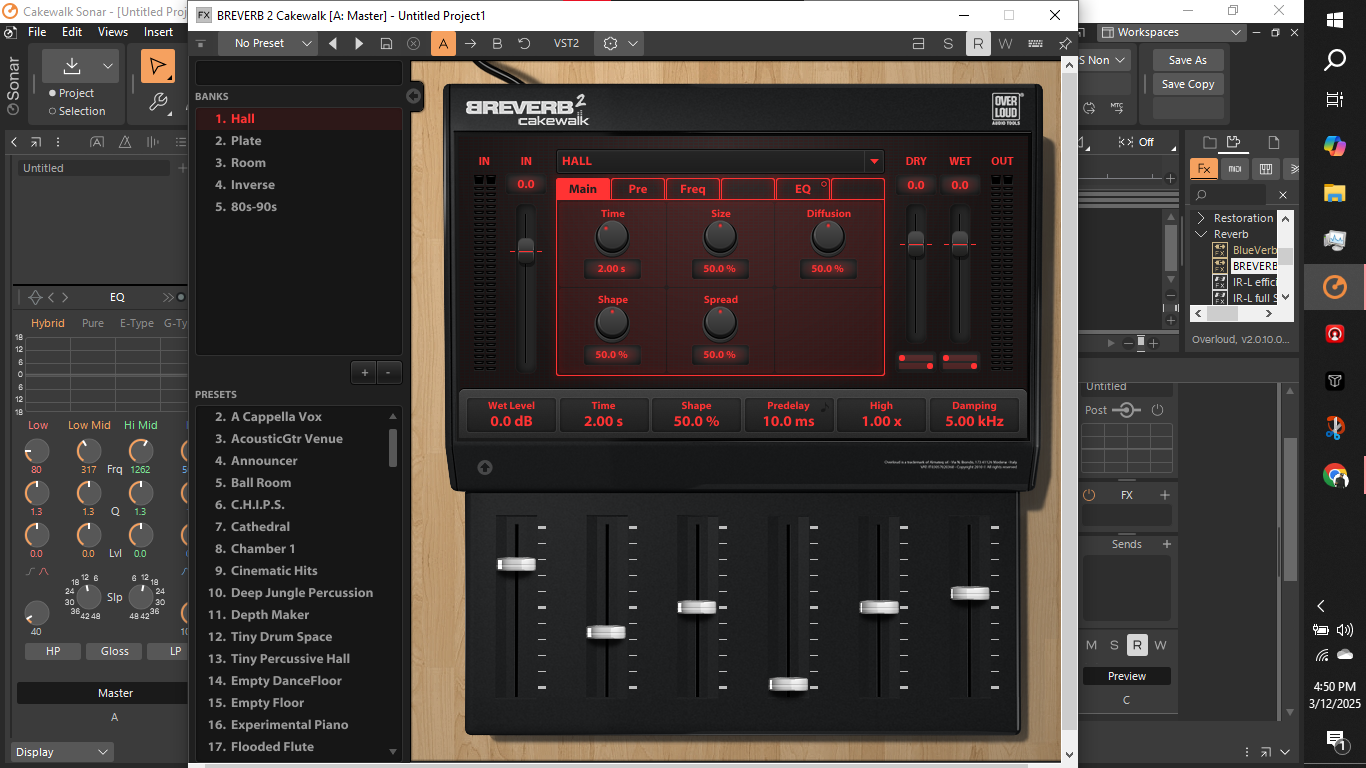
The quality of reverb is influenced by various factors. This includes decay time, which determines how long the reverb lasts. Diffusion affects how evenly the sound spreads. Early reflections are the first reflections that help define the space. Adjusting these parameters can significantly affect the overall sound and feel of a track.
III. Positive Effects of Reverb
A. Depth and space in audio.
Reverb contributes to a sense of depth in music, allowing sounds to occupy a three-dimensional space. This dimensionality can enhance listener engagement and create a more immersive experience.
B. Enhanced texture and ambiance.
When used thoughtfully, reverb can enrich the texture of audio, adding warmth and ambiance. It can create a lush, full sound that envelops the listener, making the audio feel more alive and dynamic.
C. Masking of imperfections.
Reverb can help to smooth over imperfections in recordings, like minor timing issues or vocal imperfections. By blending sounds together, it can create a more polished and cohesive final product.
IV. Negative Effects of Excessive Reverb
A. Dulling of clarity and detail.
Too much reverb can mask important details in a mix. This leads to a loss of clarity. Instruments may sound muddy or indistinct, detracting from the overall quality of the audio.
B. Blurring of instrument separation.
When reverb is overused, it can blur the separation between different instruments. This makes it hard for listeners to distinguish individual parts. This can lead to a chaotic listening experience and diminish the effectiveness of the arrangement.
C. Impact on intelligibility of vocals.
Excessive reverb, particularly on vocal tracks, can hinder intelligibility. Listeners struggle to understand lyrics or messages, which is especially detrimental in genres that emphasize vocal clarity.
D. Overwhelm of other audio elements.
Excessive use of reverb can also overwhelm other elements in a mix, like rhythm and dynamics. This can lead to an unbalanced sound where the listener will not fully appreciate the intricacies of the composition.
V. Contextual Considerations
A. Genre-specific reverb use.
Different music genres have varying conventions about reverb use. Reverb is often more prominent in ambient music. Dry sounds be preferred in genres like rock or pop. Understanding these contexts can help producers make informed decisions about reverb application.
B. Importance of mixing and mastering techniques.
In mixing and mastering, achieving the right balance of reverb is essential. Techniques like automation can enhance a track. EQ adjustments refine the sound quality. Careful placement of reverb effects contributes to a more polished and professional sound.
C. Listener perception and subjective experience.
Listeners have unique perceptions of sound and space, making the experience of reverb subjective. What sound immersive to one person is overwhelming to another. This highlights the importance of tailoring reverb choices to the target audience.
VI. Conclusion
A. Summary of key points.
In summary, reverb is a powerful tool in audio production. It can enhance depth and texture. Still, it can also lead to negative effects when overused. It is crucial for producers to find the right balance to achieve clarity and cohesion.
B. Recommendations for balanced reverb use.
Producers should experiment with reverb settings, considering factors like genre, mixing techniques, and individual listener preferences. Using subtle amounts of reverb can often yield better results than overwhelming a track with too much effect.
C. Future considerations in audio production practices.
As technology evolves, new reverb algorithms and plugins will continue to emerge. They will offer even greater control and creativity in audio production. It’s important for producers to stay informed about these advancements and adapt their techniques appropriately for future projects.
Beats & Instrumentals For Sale
We offer premium beats and instrumentals at NJMP Beats. We emphasize exceptional music production. It caters to artists, producers, and musicians looking to elevate their sound. Our library features a wide range of genres. This diversity ensures that everyone can find the perfect track for their creative vision. We are committed to quality and innovation. We continually update our collection. This lets you access the freshest sounds on the market. These updates help your projects stand out in today’s competitive music landscape.


Leave a Reply