
Outline: Elevate Your Mobile Device to a Professional Recording Studio
I. Introduction
Mobile recording has revolutionized how content is created across various sectors. It enables artists, journalists, and creators to capture high-quality audio on-the-go. Whether it’s a musician recording a spontaneous jam session or a podcaster conducting remote interviews, these devices are highly accessible. They are also convenient for a journalist gathering sound bites in bustling environments. The accessibility and convenience of mobile recording devices have empowered a new wave of creativity. People can now produce professional-grade audio without traditional studio constraints. This change has democratized the recording process. It allows a wider range of voices and stories to be heard.
Overview of the capabilities of modern mobile devices.
Today’s smartphones and tablets are equipped with advanced technology. This technology rivals that of professional recording equipment. With high-resolution microphones, robust processing power, and an array of compatible accessories, these devices offer unparalleled versatility. Users can capture audio with impressive clarity. They can also edit and mix recordings directly on their devices. This ability makes the production process more efficient and streamlined.
II. Essential Equipment and Accessories
A. Quality microphones.
- Types (condenser, dynamic, lavalier).
When selecting a microphone for mobile recording, it’s crucial to understand the differences between types. Condenser microphones are ideal for capturing detailed audio, making them great for vocals and instruments in quiet environments. Dynamic microphones are more durable. They can handle high sound pressure levels. This makes them suitable for live performances and loud sources. Lavalier microphones, or lapel mics, are perfect for interviews and on-the-go vlogging, as they can be discreetly clipped to clothing. - Recommendations based on use case.
For musicians, a high-quality condenser microphone like the Audio-Technica AT2020 is a solid choice for studio-like recordings. Podcasters consider the Shure MV88, a compact solution that plugs directly into smartphones. For interviews, the Rode SmartLav+ provides clear audio while allowing utmost mobility.
B. Audio interfaces - Importance of connectivity.
An audio interface acts as the bridge between your recording device and microphone. It enhances audio quality and provides professional sound options. These are not available through built-in device microphones. It also allows for multiple input channels to be used. This feature is vital for complex recordings like bands or multi-person podcasts. - Top options for mobile devices.
Interfaces like the iRig Pro I/O and Focusrite Scarlett Solo are excellent choices. These interfaces offer portability. They are easy to use and compatible with various devices. This compatibility allows you to connect professional microphones and instruments seamlessly.
C. Headphones and monitoring gear - Features to look for.
When choosing headphones for mobile recording, prioritize comfort, noise isolation, and a flat frequency response to ensure accurate monitoring. Look for models that are lightweight and foldable for better portability. - Suggested models.
The Audio-Technica ATH-M50x and Sony WH-1000XM4 are popular choices among audio professionals. They offer superior sound quality. They also give comfort for long recording sessions.
III. Software and Apps

A. Digital Audio Workstations (DAWs)
- Overview of popular mobile DAWs.
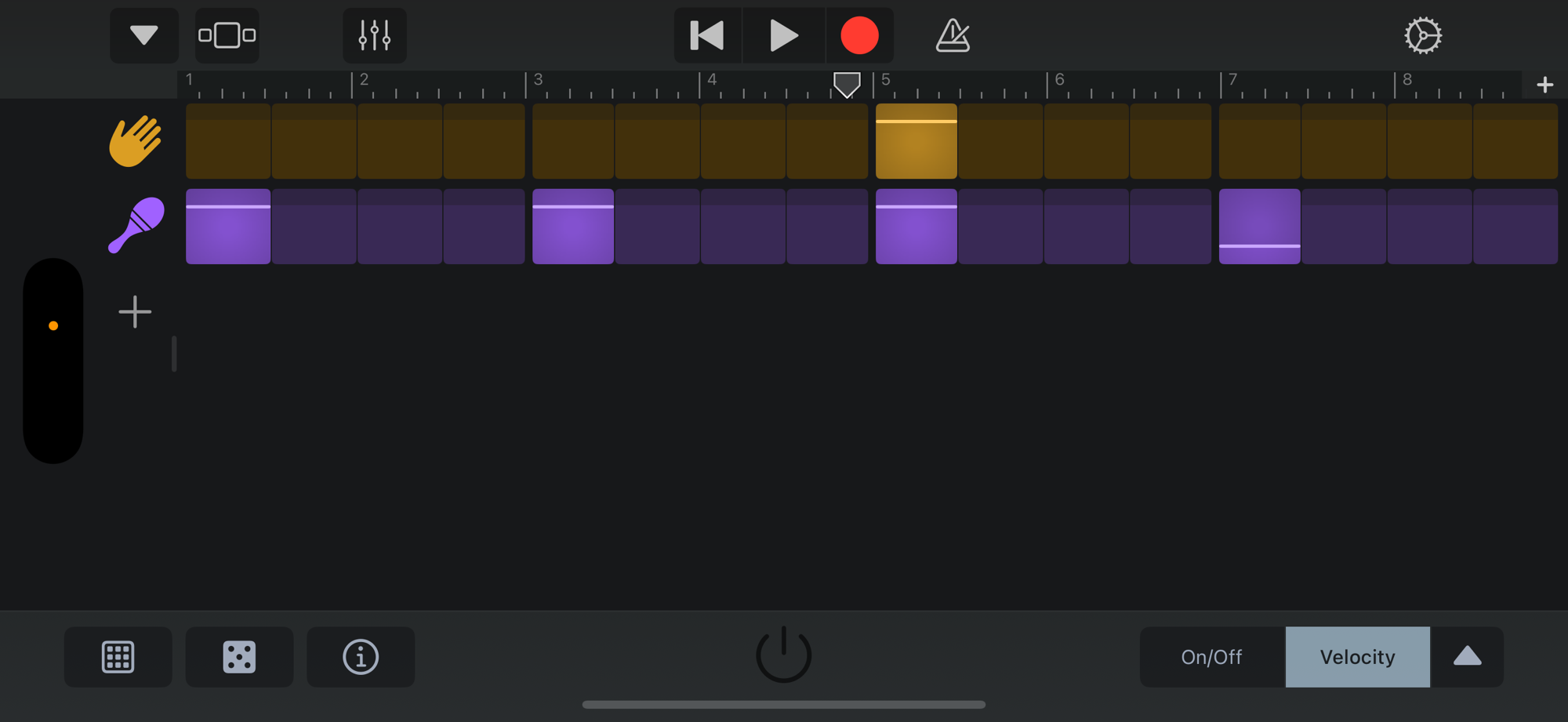
Mobile DAWs like GarageBand, FL Studio Mobile, and Auria Pro offer powerful capabilities. They allow users to create complex compositions. You can handle multiple tracks even when away from a traditional studio setup. - Key features to look for.
When selecting a mobile DAW, look for features like multi-track recording. Ensure there is a variety of virtual instruments. Comprehensive editing tools will help you produce high-quality audio.
B. Editing and mixing apps - Functions for post-production.
Editing apps provide essential functions. They offer trimming and merging of audio clips. Users can apply effects and add music tracks. These functions are crucial for polishing recorded audio. - Noteworthy apps for specific tasks.
Apps like Hokusai Audio Editor and Ferrite Recording Studio are noteworthy for their user-friendly interfaces. Their powerful features cater to both beginners and advanced users.
IV. Recording Techniques
A. Setting up a mobile recording environment
- Soundproofing tips.
Creating an ideal recording environment, even on the go, requires some soundproofing techniques. Use blankets or pillows to dampen ambient noise. Try to find quiet locations to minimize echoes and distractions. - Optimal device positioning.
Proper positioning of your recording device and microphone can significantly enhance audio capture. Be mindful of the distance between the microphone and sound source to achieve the desired sound quality.
B. Best practices for recording. - Levels and gain staging.
Monitoring levels throughout your recording is crucial to avoid distortion. Maintain appropriate gain levels, ideally peaking between -12dB and -6dB to ensure a clean sound without clipping. - Techniques for different recording types (vocals, instruments).
For vocals, ensure the mic is at mouth level and consider using a pop filter to minimize plosive sounds. When recording instruments, experiment with mic placement to capture the best tonal quality.
V. Post-Production and Editing of Mobile Recording
A. Basic editing techniques for beginners.
Familiarizing yourself with basic editing techniques like cutting, fading, and normalizing audio can dramatically improve the final product. Online tutorials can help beginners gain confidence in using audio editing software.
B. Enhancing audio quality (EQ, compression, effects).
Applying equalization (EQ) can help balance frequencies, while compression can smooth dynamics and add polish. Using effects such as reverb or delay can add depth to recordings when used judiciously.
C. Resources for learning advanced editing skills.
Numerous online platforms offer courses and tutorials for mastering audio editing. Platforms include Skillshare, Udemy, and YouTube. These resources make it easier for enthusiasts to enhance their skills.
VI. Finalizing and Sharing Your Work
A. Exporting audio files.
After editing, exporting audio in the right format and quality is essential for ensuring compatibility with various platforms. Common formats include WAV for lossless quality and MP3 for portable sharing.
B. Platforms for sharing (streaming, social media, etc.)
Consider using platforms such as SoundCloud, Spotify, and Apple Podcasts to share your creations with a broader audience. Social media channels like Instagram and TikTok can also be powerful tools for promoting your audio content.
C. Tips for promoting your audio content professionally.
Creating visually engaging promotional materials, leveraging hashtags, and collaborating with other creators can enhance your reach. Establishing a consistent posting schedule and engaging with your audience will further promote your work.
VII. Conclusion To Mobile Recording
A. Recap of transforming your mobile device into a recording studio.
With the right equipment, apps, and techniques, anyone can transform their mobile device into a highly functional recording studio. This setup enables them to capture professional-quality audio anytime. They can do this anywhere.
B. Encouragement to explore and experiment with mobile recording capabilities.
Embrace the flexibility and portability that mobile recording provides, and don’t hesitate to experiment with different setups and techniques. Discovering your unique sound is an essential part of the creative process.
High Quality Beats & Instrumentals
We offer beats and instrumentals for sale as well. This allows artists and creators to find the perfect sound for their projects. This provides a diverse range of styles that cater to various artistic expressions. We deeply understand that every musician has unique needs. We cater to different genres and preferences. This ensures that there is something for everyone, from hip-hop to electronic, and everything in between. NJMP Beats strives to deliver high-quality beats and instrumentals. They focus on superior sound quality. Innovative production techniques resonate well with both emerging and established artists. Our commitment to excellence enhances your music. It also inspires creativity, making it easier for you to bring your artistic vision to life.


Leave a Reply